















- Home
- Office Equipment
- Printer Accessories
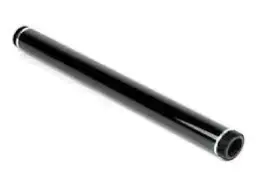
- HP Pressure Roller For 401,P2035, P2055, P2030, P2050,400 (RUBBER)
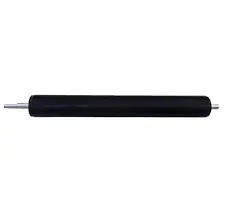
HP Pressure Roller For 401,P2035, P2055, P2030, P2050,400 (RUBBER)
Quick Details
Model HP Pressure Roller: Durable rubber pressure roller
Ensures smooth paper feed and alignment
Reduces paper jams and misfeeds
Reliable performance for laser printers
Easy to install and replace
850৳
0.0৳
| Feature / Attribute | Product Specification Details | Implementation Impact |
| Product Component | Heavy-Duty Lower Pressure Roller (LPR) | Generates the high-pressure compression required to permanently set melted toner. |
| Material Composition | Solid High-Durometer Silicone Rubber | Engineered for high-speed, high-torque workgroup engines to resist deformation. |
| Outer Surface Finish | Non-Stick Fluoropolymer (PFA/PTFE) Sleeve | Repels residual toner and paper dust to ensure spotless back-of-page printing. |
| Internal Structural Core | Reinforced Rigid Steel Drive Shaft | Prevents mechanical flexing or bowing under heavy internal spring loads. |
| Thermal Threshold | Continuous operational resistance up to 200°C | Maintains structural density directly underneath the intense ceramic heating element. |
| HP LaserJet Compatibility (P2000) | LaserJet P2030, P2035, P2035n, P2050, P2055dn, P2055x | Matches the exact mechanical drive profile and gear mesh of these classic workhorses. |
| HP LaserJet Compatibility (Pro 400) | LaserJet Pro 400 M401a, M401n, M401dn, M401dw, MFP M425dn, MFP M425dw | Rebuilds the fuser for this highly popular generation of office desktop engines. |
| Primary Failure Symptoms | Loose or wiping toner, wrinkled paper, paper wrapping, repeating back-page spots | Clear indicators that the rubber body has blistered, cracked, or lost structural levelness. |
| Defect Spacing Pattern | Fixed repetition intervals based on roller diameter | Creates periodic, predictable marks on the page to simplify component troubleshooting. |
| Duplex Support Level | Optimized for high-velocity automatic duplexing | Guarantees tight, non-slip paper grabbing during complex two-sided paper paths. |
| Maintenance Profile | Internal precision mechanical component | Demands partial teardown of the fuser assembly; technical service installation advised. |
Description
The HP Compatible Lower Pressure Roller (Rubber Grade) is a rugged, heavy-duty mechanical cylinder located at the base of the printer's fuser assembly. It functions as a critical mechanical partner to the upper heating element and fuser fixing film sleeve to permanently bond toner powder into the fibers of the paper. While the upper heating station applies intense thermal energy (climbing up to 200°C) to melt the plastic resins contained within the dry toner powder, the lower pressure roller applies a fierce, continuous, and completely uniform upward mechanical force. This intense squeeze forces the liquefied toner deep into the microscopic pores of the passing paper fibers. Unlike softer foam-based rollers, this premium "RUBBER" variant is manufactured from a dense, solid, high-durometer silicone rubber compound. This solid rubber engineering is intentionally chosen to withstand the higher mechanical torque, intense spring-loaded compression, and accelerated page-per-minute throughput characteristic of HP’s legendary mid-tier enterprise workhorse engines.
At its core, the roller features a heavy-gauge solid steel chassis shaft that locks directly into high-temperature fuser bushings and connects to the printer's main gear train. This structural steel center prevents any microscopic bowing or flexing across the width of the page, ensuring that pressure remains perfectly equalized from the left margin to the right margin. The solid silicone rubber body is wrapped in an advanced, ultra-smooth, non-stick fluoropolymer outer sleeve. This protective surface ensures that residual toner particles or stray static charges do not cause the paper to wrap around the roller, preventing unsightly offset marks on the reverse side of subsequent sheets. Over hundreds of thousands of fast-paced print cycles, the combination of constant high temperatures and tight mechanical compression will cause lesser materials to warp or harden. Eventually, even heavy-duty rubber can blister, crack, accumulate deep edge gouges from rough paper stocks, or suffer from gear-hub wear. When the lower pressure roller degrades, the loss of uniform compression results in immediate print failures: toner that easily rubs off or smudges when touched, severe paper creasing and dog-eared corners, repeating horizontal ghost marks matching the roller's physical circumference, and stubborn paper jams directly inside the exit area. Replacing the worn roller with this solid rubber component fully restores factory-spec structural compression, ensures flawless double-sided (duplex) tracking, and eliminates the steep financial burden of discarding an otherwise functional fuser chassis.
Video
Question and Answer
Have any Question?
Customer Reviews
Related Products