















- Home
- Accessories
- Headphone
- Fantech
- Fantech HG2 WIRED GAMING HEADPHONE
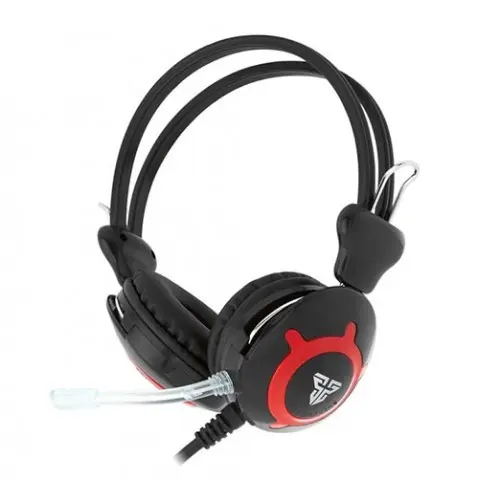
Fantech HG2 WIRED GAMING HEADPHONE
Special Price:
700৳
Regular Price:
0৳
MIT Point:
0
Status:
In Stock
Product ID:
0000512
Quick Details
- Model: FANTECH HG 2 Clink
- Noise Canceling Super Clear Microphone
- Plug Diameter: 3.5mm Dual Port
- Driver Unit: 30mm
- Deep Bass, Lighweight
700৳
0.0৳
EMI
Price*
Start form 3210৳/month. For Discount
Price
Check here to
view
27 bank emi plans
| Technical Specification | |
| Frequency Range | 20-20KHZ |
| Impedance | 32 ohm |
| Sensitivity | 115dB |
| Input Jack | 3.5MM |
| Driver Diameter | 40mm |
| Connectivity | Wired |
| Physical Specification | |
| Dimensions | 20 × 9 × 20 cm |
| Weight | 1 kg |
| Color | Black |
| Cable Length | 2.2 m |
| Microphone | |
| Noise ratio | 2.2kohm |
| Microphone Size | 6 x 5mm |
| Sensitivity | 58dB |
| Pick-up Pattern | Omnidirectional |
| Warranty Information | |
| Manufacturing Warranty | 01 Year |
Description
The Fantech HG2 Clink Gaming Headphone is an ultra-lightweight, over-ear wired analog peripheral purpose-built to deliver immersive stereo audio, clean team communications, and reliable comfort for budget-conscious gamers. Moving away from heavier, complex electronic ecosystems, the HG2 Clink operates via a standard analog dual-port layout consisting of dual 3.5mm audio plugs. This split architecture divides data pathways cleanly—with one dedicated line funneling stereo sound out and a secondary independent line tracking your microphone input. This driverless plug-and-play setup completely skips the need for external software or digital cards, providing absolute latency-free execution across desktop PCs, laptops, and compatible legacy devices.
At its technical core, the headset features high-performance 40mm custom-tuned dynamic speaker driver units wrapped in low-resistance internal voice coils. Capable of moving air efficiently across the human 20Hz to 20,000Hz frequency response arc, this driver setup emphasizes a rich, deep bass response alongside balanced mid-range tracking. Pushing an extra-loud 115dB sensitivity rating with a standard 32-Ohm impedance, the headset handles environmental variables smoothly. This allows you to track spatial game cues—such as approaching player footsteps, nearby weapon reloads, or distant atmospheric changes—long before they threaten your position.
Video
No Video
Question and Answer
No Question and Ans
Have any Question?
Customer Reviews
No Reviews
Related Products